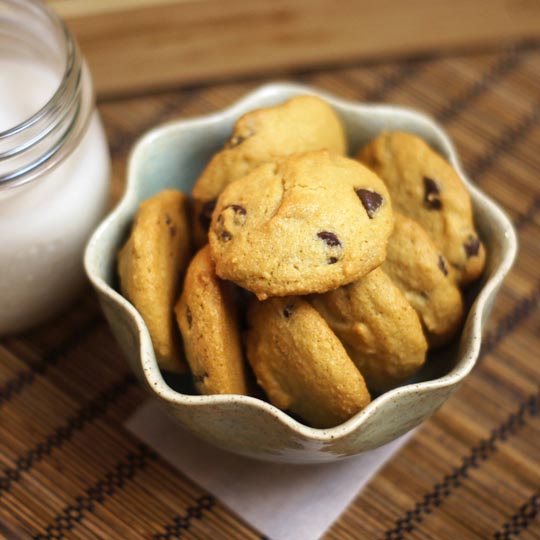
Classic Grain-Free Chocolate Chip Cookies: A Perfectly Chewy & Gooey Revelation
There are few things as universally comforting and delightfully nostalgic as a warm, gooey chocolate chip cookie, fresh from the oven. For many, the idea of adapting this beloved classic to be grain-free might conjure images of dry, crumbly, or overly dense alternatives that simply don't live up to the original. But what if we told you that not only is it possible to create *classic chocolate chip cookies grain free*, but that they can be just as, if not more, perfectly chewy, melt-in-your-mouth soft, and intensely satisfying as their traditional counterparts? Prepare to have your preconceived notions shattered, because we’ve perfected the art of baking grain-free cookies that truly redefine indulgence, without sacrificing an ounce of that cherished texture or flavor.
Redefining the Classic: Why Go Grain-Free?
Choosing to bake grain-free extends beyond the popular gluten-free movement. While all grain-free recipes are inherently gluten-free, the reverse is not always true. A grain-free diet typically excludes all cereal grains like wheat, oats, barley, rice, corn, and quinoa, often embracing flours derived from nuts, seeds, and root vegetables. This approach is favored by those with specific dietary sensitivities, autoimmune conditions, or followers of lifestyles like Paleo, and can often lead to improved digestion, reduced inflammation, and more stable energy levels.
However, the primary hurdle for many bakers transitioning to grain-free is the challenge of replicating the distinct textures grains provide – particularly the chewiness, structure, and rise. Traditional wheat flour offers a unique gluten network that contributes elasticity and a familiar mouthfeel. Recreating that magic without grains requires a deeper understanding of alternative flour properties. Our mission was to achieve the quintessential "just-like-momma-used-to-make" taste and texture, ensuring these aren't just *good for grain-free*, but simply *good cookies*, period. We believe we've not only met but exceeded that expectation, proving that a healthier choice doesn't have to mean a compromise on deliciousness.
The Science of Texture: Mastering Grain-Free Flours
The secret to achieving that coveted chewy, gooey, and slightly cakey texture in grain-free chocolate chip cookies lies in a thoughtful combination of alternative flours. Unlike traditional baking where a single all-purpose flour dominates, grain-free baking often thrives on a synergistic blend, each flour contributing its unique properties.
The Power of the Triple Flour Blend: Almond, Tapioca & Coconut
One of the most effective strategies for a complex and satisfying texture involves a trio of specific flours, each playing a vital role:
*
Almond Flour: This is the workhorse of many grain-free recipes, providing a tender crumb and a naturally soft texture. Its fine consistency and subtle nutty flavor create a wonderful base for our cookies, ensuring they don't become overly dense.
*
Tapioca Flour (or Tapioca Starch): Essential for that desirable chewiness and a lighter overall feel. Tapioca acts as a binder and thickener, helping to create elasticity in the dough that mimics gluten, preventing crumbly cookies. It’s the unsung hero that gives these cookies their perfect bend and stretch. For more in-depth knowledge on how to leverage these flours, explore our article:
Unlock the Secret: Grain-Free Cookies with Almond, Tapioca & Coconut Flours.
*
Coconut Flour: Known for its incredible absorbency, coconut flour provides structure and a hint of cakey-ness. Its fibrous nature helps to hold the cookies together and gives them a slightly more substantial feel without making them heavy. Due to its high absorbency, only a small amount is usually needed.
Together, these three flours form a balanced foundation, creating a texture profile that is soft, chewy, and holds its shape beautifully – a true triumph in grain-free baking. When using this blend, remember that sifting is paramount to prevent any lumps and ensure a smooth, uniform dough.
The Versatility of Cassava Flour: A Single-Flour Solution
For those seeking a simpler, often nut-free, grain-free solution, cassava flour emerges as an incredible alternative. Derived from the whole yuca root, cassava flour has a remarkably similar texture to wheat flour, making it an ideal 1:1 substitute in many recipes, including these classic chocolate chip cookies.
*
Cassava Flour's Magic: What makes cassava so special is its fine texture and neutral flavor, allowing it to seamlessly replace wheat flour without introducing any unwanted tastes. It offers excellent binding properties and can replicate the structure and chewiness of traditional cookies almost effortlessly. This is particularly beneficial for those with nut allergies, offering a truly grain-free, gluten-free, *and* nut-free option. Many popular brands, like Otto's Naturals Cassava Flour, are designed for this purpose. Discover more about this versatile flour in our guide:
Easy Cassava Flour Cookies: Your New Go-To Grain-Free Classic.
*
Important Note: When baking with cassava flour, especially when adapting existing recipes, it's wise to bake a test cookie first. Factors like climate, altitude, and even the specific brand of cassava flour can influence how much your cookies spread. This simple step can save an entire batch!
Crafting Your Perfectly Chewy & Gooey Grain-Free Chocolate Chip Cookies: Key Steps for Success
Beyond the flour choice, several crucial steps ensure your grain-free chocolate chip cookies achieve that elusive perfect texture and flavor.
Essential Ingredients and Their Roles:
*
Fats: Butter, Coconut Oil, or Nut Butter:
* *Unsalted Butter (room temperature):* Creates a rich flavor and contributes to spread and tenderness.
* *Softened Coconut Oil:* An excellent dairy-free alternative that also provides a lovely texture. Ensure it's not melted, but rather soft and pliable.
* *Nut Butter (e.g., cashew or almond butter):* Can replace some or all of the solid fat for added flavor and chewiness, especially in multi-flour blends.
*
Sweeteners: Cane Sugar, Brown Sugar, Maple Syrup:
* *Cane Sugar:* Provides crispness and sweetness.
* *Light Brown Sugar (firmly packed):* Crucial for chewiness and moisture, thanks to its molasses content. Don't skip this for that classic cookie texture!
* *Maple Syrup:* Offers a complex flavor profile and additional moisture, particularly when used with almond flour-based recipes.
*
Eggs: Act as powerful binders, providing structure and moisture while helping the cookies rise. Using room temperature eggs allows them to incorporate more smoothly into the wet ingredients.
*
Vanilla Extract: Non-negotiable for that classic cookie aroma and flavor depth. Use pure vanilla for the best results.
*
Leavening Agents (Baking Soda & Baking Powder): Responsible for the cookies' rise and slight cakey-ness. Ensure they are fresh for optimal effectiveness.
*
Chocolate Chips: The star of the show! Use high-quality chocolate chips – dark, semi-sweet, or even dairy-free varieties. Don't be shy about adding a few extra on top of each cookie dough ball before baking for that perfect molten look.
Mastering the Mixing and Baking Process:
1.
Preheat & Prepare: Always preheat your oven to 350°F (175°C) and line your baking sheets with parchment paper. This ensures even baking and prevents sticking, making cleanup a breeze.
2.
Combine Dry Ingredients: In a medium bowl, whisk together your chosen grain-free flour(s), salt, baking soda, and any baking powder. Sifting is highly recommended, especially for almond and coconut flours, to remove clumps and ensure a smooth dough.
3.
Cream Wet Ingredients: In a separate, larger bowl, use a hand mixer or stand mixer to cream together your softened butter (or coconut oil/nut butter) with the sugars until light and fluffy. This step incorporates air, which contributes to a lighter texture. Beat in the eggs one at a time, followed by the vanilla extract, ensuring each addition is well combined before adding the next.
4.
Slowly Integrate: Gradually add the dry ingredients to the wet mixture, mixing on low speed until just combined. Overmixing can lead to tougher cookies, even with grain-free flours. Finish by hand if needed to avoid a flour cloud!
5.
Fold in Chocolate Chips: Gently stir in the chocolate chips by hand until evenly distributed.
6.
Portioning for Perfection: Roll the dough into tablespoon-sized balls. For a more rustic, "bakery-style" cookie, gently press down and round each ball slightly. They will spread naturally in the oven, so avoid flattening them too much. For an extra touch, press a few additional chocolate chips onto the top of each dough ball.
7.
Bake with Precision: Bake for 10-12 minutes, or until the edges are very light golden brown and the centers still look slightly soft. Remember that ovens vary, so keep a close eye on your cookies. The key to a chewy cookie is not to overbake them.
8.
The Patience of Cooling: This is perhaps the most crucial step for achieving perfect texture. Allow the cookies to cool on the baking sheet for at least 5-10 minutes before transferring them to a wire rack. Grain-free cookies are more fragile when hot and need this time to set up and develop their structure. This also locks in that gooey center!
Beyond the Bake: Serving & Enjoying Your Grain-Free Masterpiece
There’s nothing quite like pulling a fresh batch of these classic grain-free chocolate chip cookies from the oven. Serve them warm, allowing the chocolate chips to remain molten and utterly irresistible. They pair perfectly with a tall, ice-cold glass of milk – for a complete grain-free experience, consider almond milk or coconut milk.
Storage and Customization:
*
Storage: Once completely cooled, store your cookies in an airtight container at room temperature for up to 3-4 days. They also freeze beautifully for longer storage; simply thaw at room temperature or gently warm them in the oven for a "freshly baked" experience.
*
Customization: Feel free to experiment! Add a sprinkle of sea salt flakes on top before baking to enhance the chocolate flavor. Incorporate chopped nuts (if not adhering to a nut-free diet) for extra crunch, or try different types of chocolate chips like white chocolate or dark chocolate chunks for varying flavor profiles.
Conclusion
Embracing a grain-free lifestyle doesn't mean saying goodbye to the simple pleasures in life, especially when it comes to beloved treats like chocolate chip cookies. With the right techniques and a thoughtful selection of flours, you can achieve cookies that are not only perfectly suited to your dietary needs but also wonderfully soft, incredibly chewy, and deliciously gooey – truly a *classic chocolate chip cookie grain free*. So go ahead, bake a batch, and rediscover the joy of this timeless favorite, reimagined for a healthier, equally delicious tomorrow.