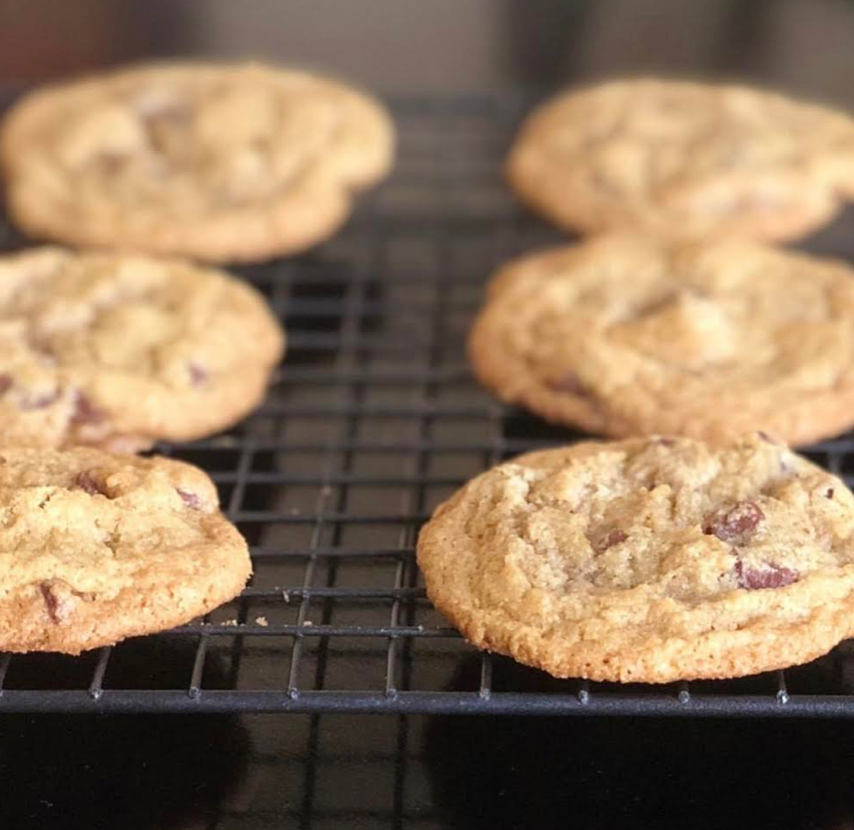
Unlocking the Secret to Irresistible Grain-Free Chocolate Chip Cookies
There's a universally acknowledged truth: few things bring as much comfort and joy as a warm, gooey chocolate chip cookie straight from the oven. That perfect balance of crispy edges, a chewy center, and pockets of molten chocolate is pure bliss. But for those navigating dietary restrictions, particularly a grain-free lifestyle, achieving that authentic experience can feel like an impossible dream. Until now. Prepare to unlock the secret to truly spectacular
classic chocolate chip cookies grain free – a recipe so good, you'll wonder why you ever baked them any other way.
Many grain-free recipes promise much but deliver little, often resulting in crumbly, dry, or overly dense cookies. The magic lies in understanding the unique properties of alternative flours and how they interact. Our meticulously tested approach utilizes a harmonious blend of almond, tapioca, and coconut flours, creating a texture that rivals, and often surpasses, its grain-laden counterparts. This isn't just a passable alternative; it's a triumph of flavor and texture, delivering that "just-like-momma-used-to-make" nostalgic comfort without the grains.
Why Go Grain-Free? Beyond Dietary Restrictions
While dietary needs like celiac disease or gluten sensitivity are primary drivers for embracing grain-free baking, the benefits extend far beyond these specific conditions. Opting for grain-free cookies can be a conscious choice for overall wellness, offering advantages that appeal to a broader audience:
- Improved Digestion: Grains, especially heavily processed ones, can be difficult for some individuals to digest, leading to bloating, gas, and discomfort. Grain-free alternatives can be gentler on the digestive system.
- Stable Blood Sugar: Many grain-based products, particularly those made with refined white flour, can cause rapid spikes in blood sugar. Alternative flours often have a lower glycemic index, contributing to more stable energy levels and reducing cravings.
- Reduced Inflammation: For some, grains can trigger inflammatory responses in the body. A grain-free diet may help reduce systemic inflammation, potentially alleviating symptoms of various conditions.
- Increased Nutrient Density: Flours like almond and coconut are rich in healthy fats, protein, and fiber, offering a more nutrient-dense base for your treats compared to traditional refined wheat flour.
- Broader Dietary Compliance: Grain-free recipes naturally align with paleo, gluten-free, and often low-carb dietary approaches, making them inclusive for a wider range of eaters.
Embracing grain-free baking isn't just about avoiding certain ingredients; it's about embracing a whole new world of delicious possibilities that nourish your body while delighting your taste buds.
The "Secret" Flour Trio: Almond, Tapioca & Coconut Flours Explained
The true genius behind these incredibly delicious
classic chocolate chip cookies grain free lies in the masterful combination of three distinct flours. Each plays a critical role, contributing to the perfect texture that so many grain-free recipes miss. Understanding their individual contributions is key to appreciating the alchemy at work:
Almond Flour: The Foundation of Softness and Flavor
Almond flour is the workhorse of many grain-free baked goods, and for good reason. Made from finely ground blanched almonds, it brings a wealth of desirable qualities to our cookies:
- Soft, Tender Texture: Almond flour imparts a wonderfully soft, almost melt-in-your-mouth texture, mimicking the delicate crumb of traditional cookies.
- Neutral Flavor: While it carries a subtle nutty essence, it's generally neutral enough not to overpower the classic chocolate chip cookie taste.
- Healthy Fats & Protein: It's rich in monounsaturated fats and protein, adding to the cookie's satiety and nutritional profile.
It's crucial for the structural integrity and the delightful tenderness we crave.
Tapioca Flour (or Starch): The Key to Chewy Lightness
Often overlooked, tapioca flour is the secret weapon for achieving that coveted chewiness and a lighter texture. Derived from the cassava root, it's a pure starch that acts as a binder and softener:
- Exceptional Chewiness: Tapioca flour is unparalleled in its ability to create a delightful chew, preventing the cookies from becoming dense or crumbly.
- Lightening Agent: It helps to lighten the overall texture of the cookie, ensuring they aren't too heavy despite the other flours.
- Binding Properties: Its starchy nature helps bind the ingredients together, contributing to a cohesive dough.
Without tapioca flour, your cookies would likely fall short on that essential "bend."
Coconut Flour: The Structure and Subtle Cakey-ness
Coconut flour is a powerhouse of fiber and absorbency, and it's essential for structure, but it must be used sparingly and strategically.
- Structural Integrity: Its high fiber content gives the cookies a robust structure, preventing them from spreading too much or becoming too flat.
- Touch of Cakey-ness: Coconut flour contributes just a hint of "cakey" texture, balancing the chewiness from the tapioca and the softness from the almond flour.
- High Absorbency: Be mindful that coconut flour absorbs a lot of moisture, which is why only a small amount is needed in this blend.
Together, this trio works synergistically to create a flour blend that is truly greater than the sum of its parts, allowing you to achieve perfectly chewy, soft, and slightly cakey
classic chocolate chip cookies grain free.
Crafting Your Perfect Grain-Free Chocolate Chip Cookies: A Step-by-Step Guide & Pro Tips
Creating these delectable cookies is a rewarding process, and with a few insights, you'll master them in no time. While specific ingredient quantities will vary, the method and understanding of each step are universal. For more inspiration on mastering the perfect texture, explore our guide to
Classic Grain-Free Chocolate Chip Cookies: Perfectly Chewy & Gooey.
Essential Ingredients & Their Roles:
Beyond the unique flour blend, the quality of your other ingredients significantly impacts the final result:
- Fats: Softened coconut oil provides richness and moisture. If dairy isn't an issue, high-quality unsalted butter at room temperature can also be used for that traditional flavor profile. Some recipes also incorporate a nut butter for added depth and moisture.
- Sweeteners: A combination of cane sugar and light brown sugar often yields the best results. Brown sugar adds moisture and contributes to the chewiness, while cane sugar ensures crisp edges. Maple syrup, as suggested in some grain-free recipes, can add a lovely complex flavor and moisture.
- Eggs: Act as binders and add richness, helping to create a cohesive dough.
- Leavening Agents: Baking soda and/or baking powder are crucial for the cookies to rise and achieve that desirable slightly cakey texture.
- Vanilla Extract: Essential for that classic chocolate chip cookie aroma and flavor. Don't skimp on quality!
- Chocolate Chips: Use high-quality chocolate chips or chunks. The type of chocolate (dark, semi-sweet, milk) is up to your preference, but good quality makes a difference.
The Method: From Dough to Deliciousness
Follow these steps for optimal results, incorporating our expert tips:
- Preheat and Prep: Always start by preheating your oven to 350°F (175°C) and lining your baking sheets with parchment paper. Parchment paper prevents sticking and ensures even baking.
- Combine Dry Ingredients: In a medium bowl, whisk together your almond, tapioca, and coconut flours with salt and baking powder/soda. Pro Tip: Sift your flours! This removes any clumps and ensures a smoother, more uniform dough and cookie texture.
- Cream Wet Ingredients: In a separate, larger bowl, use a hand mixer or stand mixer to cream together your softened coconut oil (or butter), sugars, and any nut butter until light and fluffy. This step incorporates air, which is vital for a tender cookie. Then, beat in the eggs one at a time, followed by the vanilla extract, ensuring each is fully incorporated.
- Slowly Combine: Gradually add the dry flour mixture to the wet ingredients, mixing on low speed until *just* combined. Avoid overmixing once the flour is added, as this can lead to tough cookies. A final brief stir by hand can ensure everything is well incorporated without overworking the dough.
- Fold in Chocolate Chips: Gently stir in your chocolate chips.
- Form and Bake: Roll tablespoon-sized portions of dough into balls. Place them on the prepared baking sheet. Gently press down on each ball to slightly flatten and round them; they will spread more in the oven. For that bakery-style look, press a few extra chocolate chips onto the tops of each dough ball.
- Bake to Perfection: Bake for 10-12 minutes, or until the edges are very light golden brown and the centers still look slightly soft. Pro Tip: Don't overbake! Grain-free cookies can go from perfectly baked to dry very quickly. The residual heat from the baking sheet will continue to cook them slightly as they cool.
- Cooling: Let the cookies cool on the baking sheet for a few minutes before transferring them to a wire rack to cool completely. This allows them to set up and prevents breakage.
Troubleshooting & Expert Advice:
The beauty of baking lies in its nuances. Remember that factors like climate, altitude, and even specific brands of ingredients can subtly affect your cookies. A valuable tip from seasoned bakers: always bake a single test cookie first. This allows you to assess its spread and texture before committing to baking the entire batch, giving you a chance to make any necessary adjustments. For instance, if your cookie spreads too much, a touch more flour might be needed, or your butter might have been too warm. Conversely, if it's too thick, a tiny bit more liquid could help.
Expanding Your Grain-Free Horizons: Beyond the Classic
While our focus has been on mastering the exquisite
classic chocolate chip cookies grain free with the almond, tapioca, and coconut flour blend, the world of grain-free baking is vast and full of exciting possibilities. Once you've perfected this recipe, don't hesitate to experiment! Consider adding different mix-ins like chopped nuts, dried cranberries, or a sprinkle of sea salt flakes for an elevated flavor profile.
And if you're curious about other grain-free flour options, particularly a nut-free alternative that still delivers on that classic cookie experience, dive into our article on
Easy Cassava Flour Cookies: Your New Go-To Grain-Free Classic. Cassava flour offers a fantastic single-flour solution for those with nut allergies or who prefer a different texture.
Embrace the Grain-Free Goodness
Gone are the days when a grain-free diet meant sacrificing your favorite treats. With the right blend of flours and a little baking know-how, you can achieve truly remarkable results. These
classic chocolate chip cookies grain free, made with almond, tapioca, and coconut flours, are a testament to how delicious and satisfying grain-free baking can be. So, preheat your oven, gather your ingredients, and prepare to be amazed. Enjoy the pure, unadulterated joy of a perfect cookie, made just for you.